Air Purification
Dust can become airborne when damaged plaster or other materials are removed. HEPA air scrubbing may help collect fine particles during suitable water damage and mould cleanup work.
View Service Details
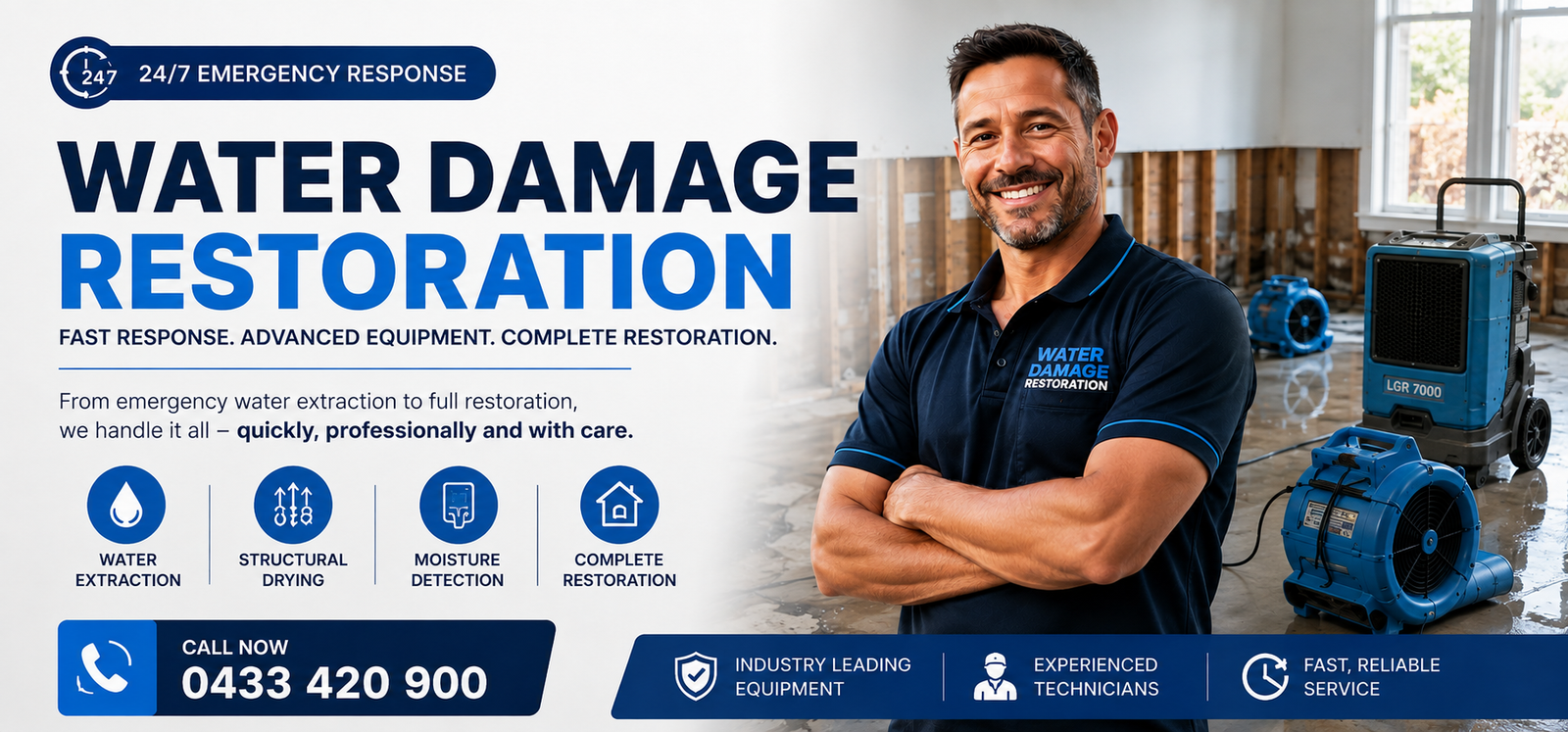
The first sign of water damage is not always a puddle. You might find damp carpet near a back door, a stained ceiling after rain or swollen boards beside the kitchen. By the time these marks appear, water may already have reached other materials. We help Altona homeowners, tenants, landlords and businesses work out what needs cleaning, what needs drying and what may need repairs.
Tell us where the water came from and which rooms are affected.
0433 420 900Dust can become airborne when damaged plaster or other materials are removed. HEPA air scrubbing may help collect fine particles during suitable water damage and mould cleanup work.
View Service DetailsWet plasterboard, ceilings and floor bases may hold water after a leak stops. Structural drying uses suitable airflow, dehumidifiers and moisture checks to help dry affected building materials.
View Service DetailsA room can smell damp when wet materials have been left behind. Odour treatment starts by finding the source, dealing with moisture and choosing suitable cleaning methods.
View Service DetailsDark patches on walls or ceilings may point to a moisture problem. Mould remediation looks at affected surfaces, safe removal and the damp conditions that allowed the growth.
View Service DetailsWastewater from blocked drains or overflowing toilets needs careful handling. Sewage cleanup deals with contaminated water, affected items and suitable surface cleaning.
View Service DetailsWater beneath timber boards can cause raised edges, movement and swelling. Floor drying options depend on the flooring type, how it was laid and the amount of moisture underneath.
View Service DetailsA flooded laundry, kitchen or garage may need more than a mop. Water extraction uses suitable pumps and wet vacuum equipment to remove accessible standing water.
View Service DetailsCarpet can feel dry on top while the underlay is soaked. Wet carpet cleaning and drying includes checking the water source, extracting moisture and assessing whether the layers can be kept.
View Service Details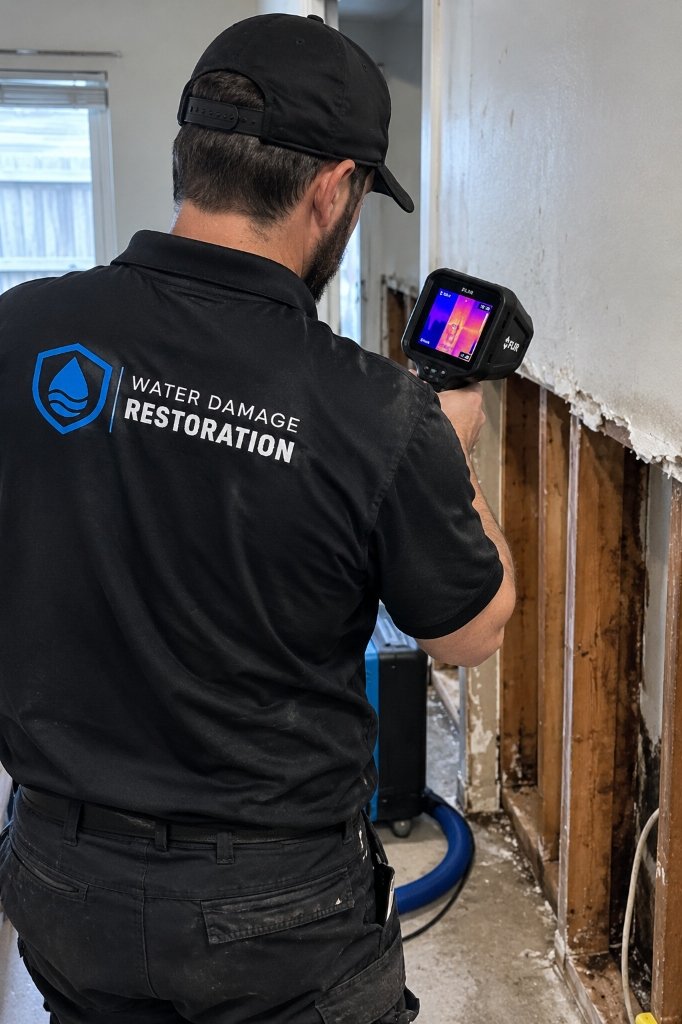
When water enters a property, deciding what to do next can be difficult. You may be dealing with a damaged ceiling, furniture sitting on wet flooring or a room you cannot use. We aim to make the restoration process easier to understand, from the first discussion through to any further drying or repairs that may be needed.
There is no single fix for every flooded property. The work depends on where the water came from, which materials have been affected and whether the source has been stopped.
We discuss when the water appeared, whether the leak is still active and which rooms may be affected. Safety concerns are considered before work begins.
When suitable, extraction equipment removes water that has collected on floors or in accessible areas. The water source and contamination level affect the method used.
Carpet underlay, timber, plasterboard and other materials may need separate attention. Suitable moisture checks can help show where further drying is needed.
Drying equipment or cleaning methods are chosen for the materials and water type. Some damaged items may need removal instead of further treatment.
We consider the condition of the affected areas and explain any remaining moisture concerns, extra cleaning or repairs that may be required.
Some leaks happen suddenly. Others stay hidden until a floor feels soft or a mark appears on the ceiling. These are common problems that may lead to water damage restoration work.
A failed water pipe can release water into a wall or across a room, sometimes before anyone notices a change in water pressure.
Wind-driven rain may enter through worn seals or gaps around external doors and windows during a storm.
Water can get into a roof space when flashing or roof materials fail, then leave marks on ceilings below.
A damaged washing machine hose can leak behind the appliance and send water beneath nearby cabinets.
A loose plumbing fitting can drip into the cupboard base and reach flooring before water is visible outside.
Leaking connections or a failing hot water unit may wet garage, laundry or indoor floor surfaces.
Leaves, debris or damaged drainage can cause rainwater to collect near walls and entrances.
A sewer blockage can force dirty wastewater back through bathroom drains and onto the floor.
Failed seals or waterproofing may let shower water reach nearby walls, flooring and other rooms.
Fridges with water lines and other connected appliances can leak slowly, leaving moisture underneath.
These answers explain what happens after a leak, what you can do safely and why different materials need different care.
Tell us whether the damage started with rain, a leaking pipe, a blocked drain or an appliance problem. Include the rooms affected and when you first noticed the water. We can discuss suitable cleanup and drying options.
Whether you have a leaking bathroom in Altona, a flooded laundry in Altona Meadows or wet flooring at a property in Seaholme, you can contact us to discuss restoration options. We also take enquiries from surrounding Hobsons Bay areas. Please confirm coverage and availability for your address.
Call 0433 420 900 to discuss your location, the water source and the type of restoration work needed.
A simple guide to water leaks, flood cleanup, drying and reducing the chance of water damage happening again.
A small amount of water on a tiled floor may be easy to clean up. But water becomes harder to manage when it moves into materials that soak it up. Carpet underlay, plasterboard and some types of wood can hold moisture long after the floor looks dry.
Imagine a dishwasher leaking while everyone is asleep. The water may spread under the kitchen cabinets, pass through a doorway and reach the carpet in the next room. In the morning, the most obvious puddle might be near the dishwasher, while the carpet underneath is also wet.
This is why the first visible wet area does not always tell the whole story. A suitable check may be needed to find out how far the water has travelled.
Rainwater can enter a property through damaged roof materials, worn window seals or an outside door that no longer closes properly. Blocked drains may also allow water to build up around an entrance.
For properties near open coastal areas, strong wind and rain may make a worn seal or building gap more noticeable. This does not mean every home in Altona is at risk of flooding. The condition of the building, drainage and the weather all matter.
If rainwater has entered a room, start by checking whether the area is safe. The roof, drainage or building fault may need repair before restoration work can prevent further water from coming in.
Safety comes first. Do not walk through floodwater if you cannot see what is underneath or if the water is near electrical fittings. Stay away from ceilings that are sagging or badly damaged.
If a clean-water pipe has broken, turn off the main water supply only if it is safe to reach. A licensed plumber may need to repair the source of the leak.
Avoid using normal household vacuum cleaners to remove water. Do not mix cleaning chemicals or try to handle sewage yourself. Keep children and pets away from affected areas.
If you can do so safely, take photos of the damage before cleanup starts. These may be useful when speaking to your insurer or property manager.
Water extraction deals with the water that can be removed as a liquid. Depending on the job, this may involve pumps, wet extraction equipment or tools designed for carpeted areas.
Drying deals with moisture left inside materials after extraction. A room may no longer have standing water but still contain damp timber, plasterboard or carpet underlay.
Dehumidifiers help remove moisture from the air, while air movers can help air pass over wet surfaces. The equipment needs to suit the affected materials and the size of the area.
Some items cannot be restored by drying alone. Damaged board products, certain floor coverings and materials affected by dirty water may need removal.
A leak in a unit can involve more than one part of the building. Water from an upstairs bathroom may affect a ceiling below, while a leak near a shared wall may need attention from the building manager or owners corporation.
If you rent, tell the landlord or property manager about new water damage as soon as practical. Include photographs and the date when you noticed the problem.
For a shop or office, move staff and customers away from unsafe wet areas. Stock or equipment that has been affected may need separate checks. Do not reconnect wet electrical items without suitable advice.
Clear communication with the right people can make it easier to arrange access, plumbing repairs and restoration work.
Check flexible hoses behind washing machines and dishwashers from time to time. If a hose is cracked, swollen or leaking, arrange a suitable replacement. It also helps to know where your main water shut-off valve is located.
Keep outdoor drains clear of leaves and rubbish where they can be reached safely. Have damaged roof materials, gutters and window seals repaired before more water gets in.
Pay attention to small signs inside the house. A cupboard base that stays damp, paint that begins to bubble or an unexplained wet patch may be an early sign of a leak.
If a problem keeps returning, finding the cause matters more than hiding the damage with paint, flooring or furniture.
The cost depends on the actual work needed. Removing a small amount of water from one room is different from drying several walls, taking out damaged underlay and cleaning a contaminated floor.
The type of water, room access, size of the affected area and amount of damaged material can all change the scope of work. Some jobs also require a licensed plumber, electrician or building trade.
Before booking, ask what is included in the proposed service. It is worth checking whether extra drying visits, waste removal or repairs would be charged separately.
If insurance is involved, your insurer can explain the policy cover and any approval requirements. A restoration quote does not guarantee that the insurer will pay for the work.
You should consider getting advice when water has spread beyond a small surface spill, when a carpet is soaked through or when a wall or ceiling has been affected.
It is also important to get help with dirty water from a sewer, water close to electrical fittings or flooring that has become unstable. Do not enter unsafe areas just to inspect the damage.
When you call, explain the source of the water, the areas affected and when the problem started. If a plumber has already fixed the leak, mention that too.
These details help the team understand the situation and discuss the service that may suit your property.
If the room still contains standing water, water extraction may be the first step. If the floor is clear but the walls remain damp, structural drying may be more suitable.
A soaked bedroom carpet may need carpet extraction and drying. Raised timber boards may require a separate wood floor assessment.
Visible mould and sewage contamination need different cleaning methods. Read about our mould remediation and sewage cleanup services if those problems are present.
You do not need to choose a treatment method before calling. Simply explain what you can see and how the damage happened.
Call with details of the leak or flooding and ask about suitable cleanup and drying services.
Call 0433 420 900